Academic Journals
Run a professional journal website and manage submissions, reviewers, revisions and published issues without fragmented tools.
Papyrus MS helps academic publishers, universities and scholarly journals manage submissions, peer review, editorial decisions, production, DOI workflows, issue publishing and archives from one secure platform.
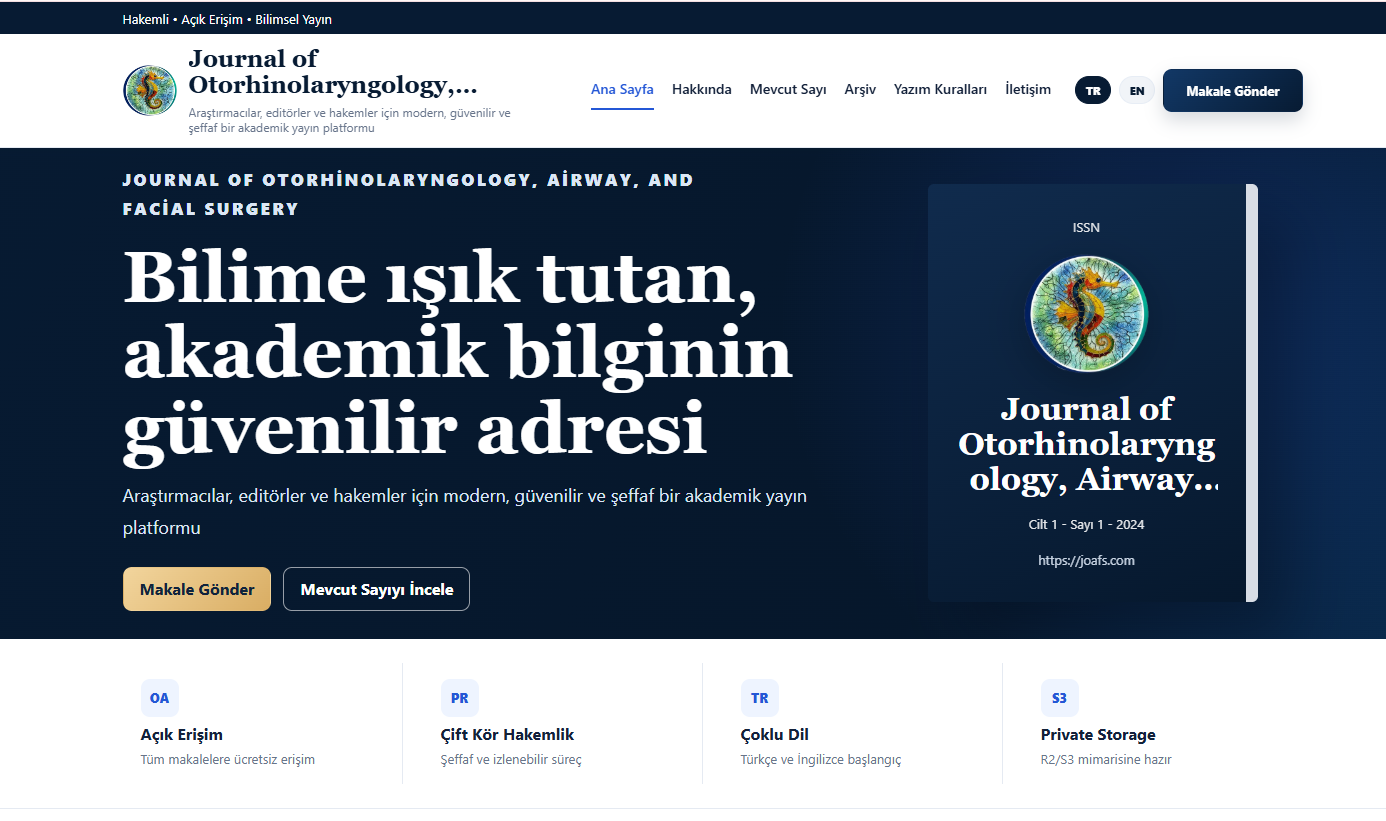
Papyrus MS combines a public journal presence with the operational tools required by editors, reviewers, authors and publishers.
Run a professional journal website and manage submissions, reviewers, revisions and published issues without fragmented tools.
Standardize editorial operations across faculties, institutes and research centers while keeping each journal independent.
Support multiple scholarly titles with secure panels, reviewer coordination, archives and issue publishing workflows.
Move legacy issues, article PDFs, DOI information and archive metadata into a cleaner, future-ready structure.
The workflow follows the logic of established academic publishing systems while staying simple enough for busy editorial teams.
Authors upload manuscript files and metadata through a guided journal-specific form.
Editors verify scope, file completeness, ethical declarations and basic publication requirements.
Reviewer invitations and responses are tracked from the editorial panel.
Structured reviewer reports help editors compare recommendations and comments clearly.
Revision files, author responses and editorial decisions stay connected to the manuscript record.
Accepted articles move into galley PDF, final files and publication preparation.
Publication metadata, identifiers and DOI workflow data are prepared consistently.
Articles are organized into volumes, issues and searchable long-term archives.
Instead of isolated tools, Papyrus MS gives journals a connected operational layer for editorial work, publication records and long-term content management.
Guided manuscript submission, required metadata, revision uploads and visible manuscript status reduce email traffic for authors and editors.
Editors see manuscripts by stage, follow pending actions and keep decisions connected to review history and files.
Reviewer assignment, invitations, reports and recommendations are handled in a controlled environment built for scholarly review.
Accepted manuscripts can move into galley PDF, DOI metadata, issue publishing and archive preparation without losing context.
SMTP notifications, R2/S3-ready storage, role permissions, soft delete and audit-friendly records support safer operations.
Help guides and PDF manuals make onboarding easier for editors, reviewers and authors using the journal platform.
Creates journals, manages users, configures permissions, storage, SMTP and platform-wide operational settings.
Screens submissions, assigns reviewers, follows reports, requests revisions, records decisions and prepares issues.
Receives invitations, accesses assigned manuscripts securely and submits structured reviewer reports.
Submits manuscripts, uploads revisions, follows editorial status and receives process notifications.
Existing journals can import older volumes, issues, article records, PDF files, DOI data and metadata into a structured archive. This makes migration practical for journals leaving static websites or older editorial systems.
Papyrus MS supports R2/S3-ready file storage, SMTP notifications, role-based access, soft delete patterns and audit-conscious records for safer day-to-day publishing work.
Han Yazılım has spent 17 years building software for academic publishing and journal management. Papyrus MS is shaped around real editorial workflows, publisher expectations and the operational details that appear after launch.
Request a demo or contact us on WhatsApp for installation planning.
A focused setup offer for journals that want a working Papyrus MS installation quickly.
Valid until May 30
Share your institution, journal name and request type. We will contact you about a demo, installation, support or partnership conversation.